Home
Metal material laser processing scene

Main Laser Applications in Metal Materials

Metal work needs accuracy, repeatability and trace data. Lasers pair well with vision, automation and inline checks.

Laser processing methods for metal manufacturing scenarios

Metal work needs accuracy, repeatability and trace data. Lasers pair well with vision, automation and inline checks.

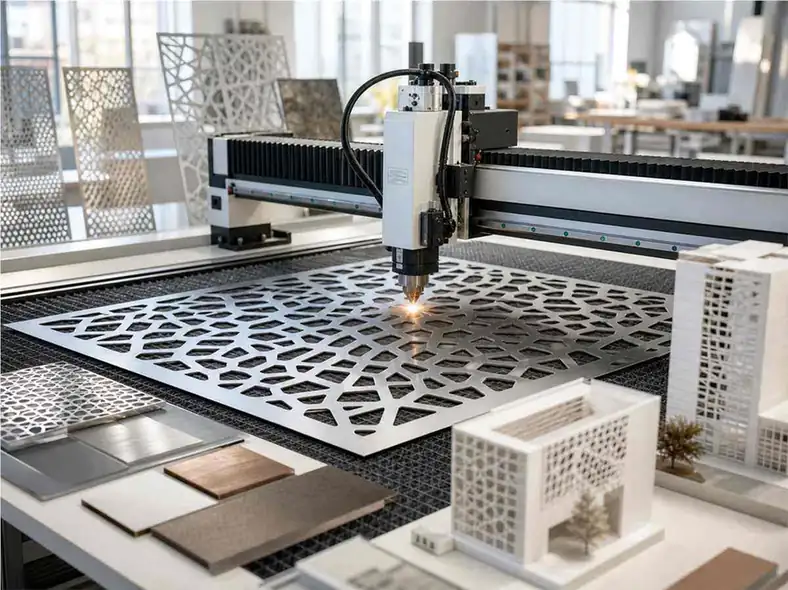
Laser Cutting

Laser Cutting

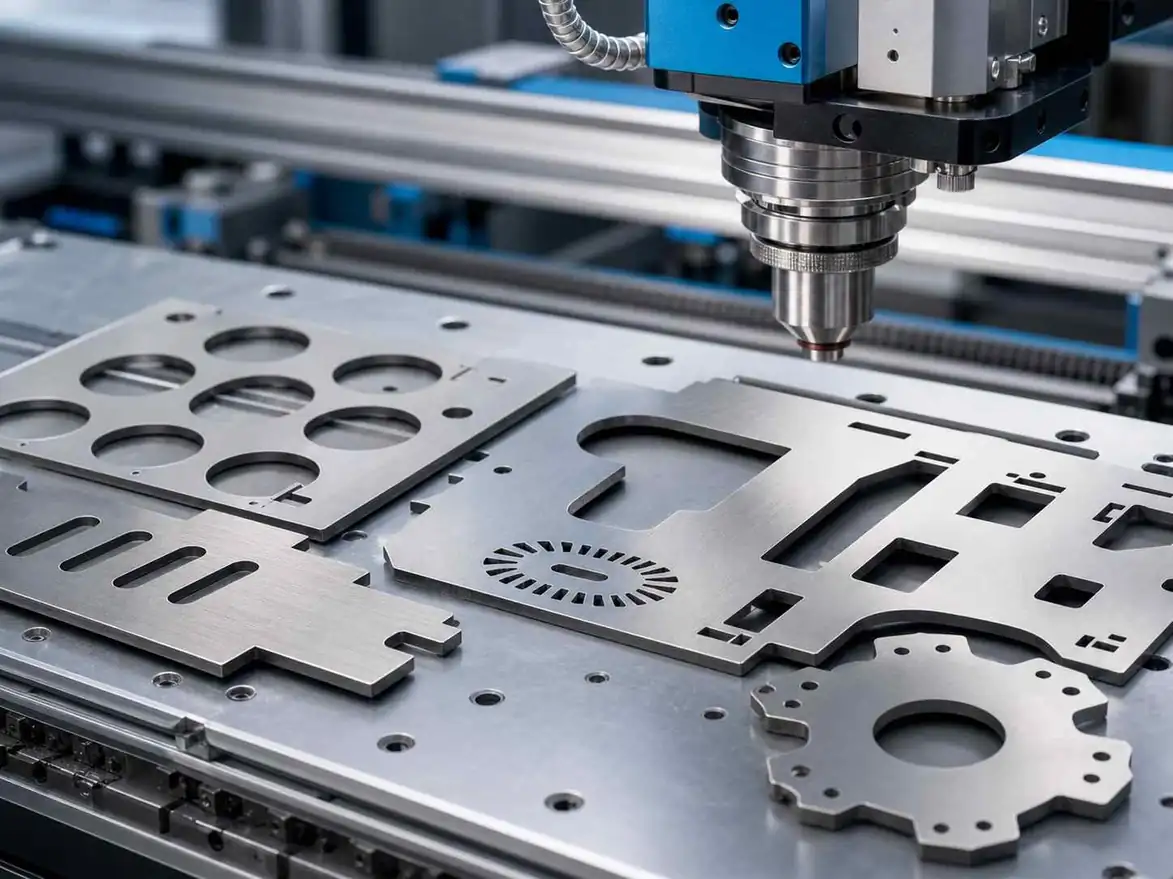
Laser cutting melts metal with a focused beam. Assist gas clears the kerf. It fits sheets, tubes and profiles.

  • Automotive manufacturing: precision cutting for body parts and other automotive components.
  • Aerospace: high-precision cutting for aircraft fuselage frames and engine parts.
  • Electronics: cutting electronic housings, PCB boards and small precision parts.
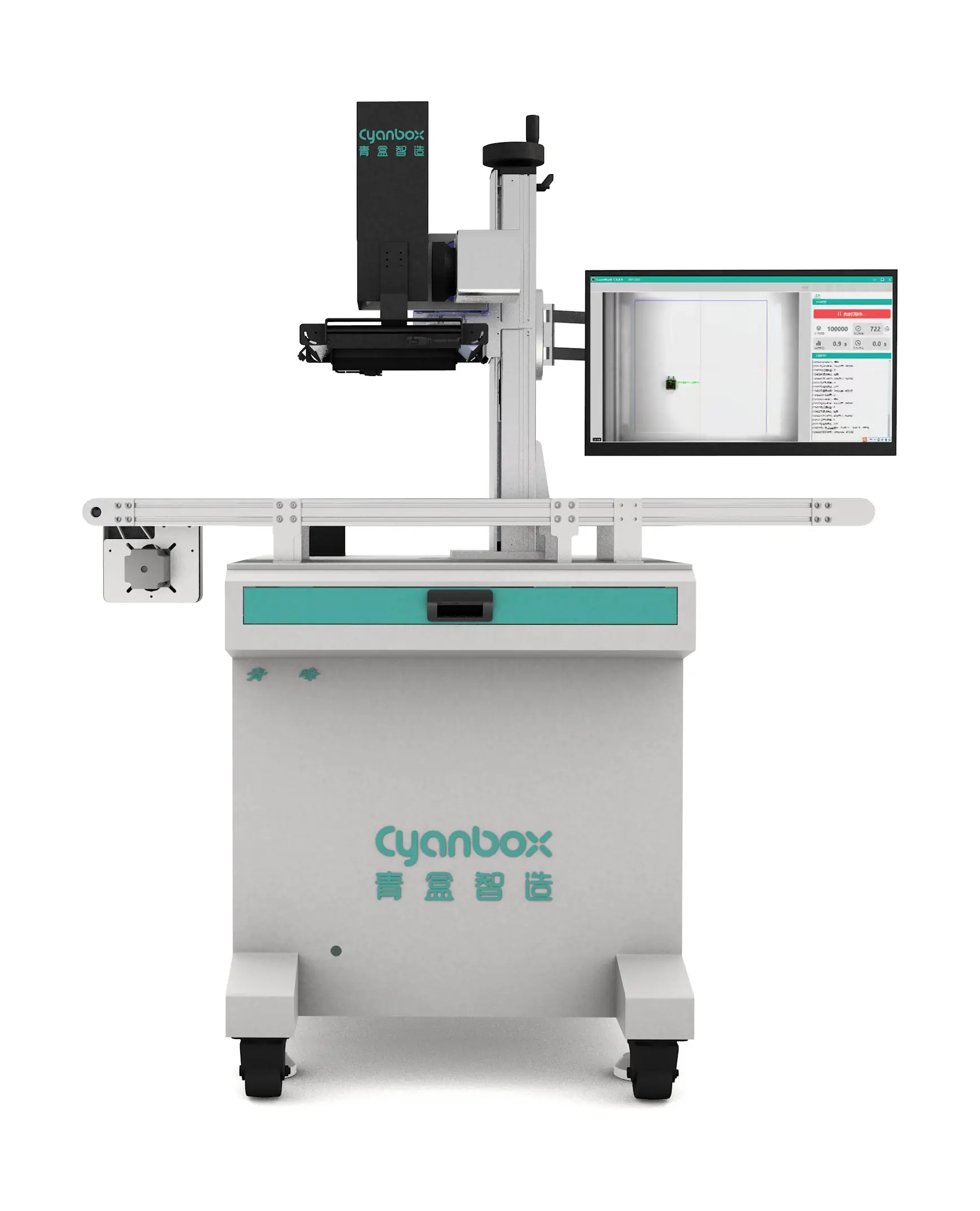
Laser Marking

Laser Marking

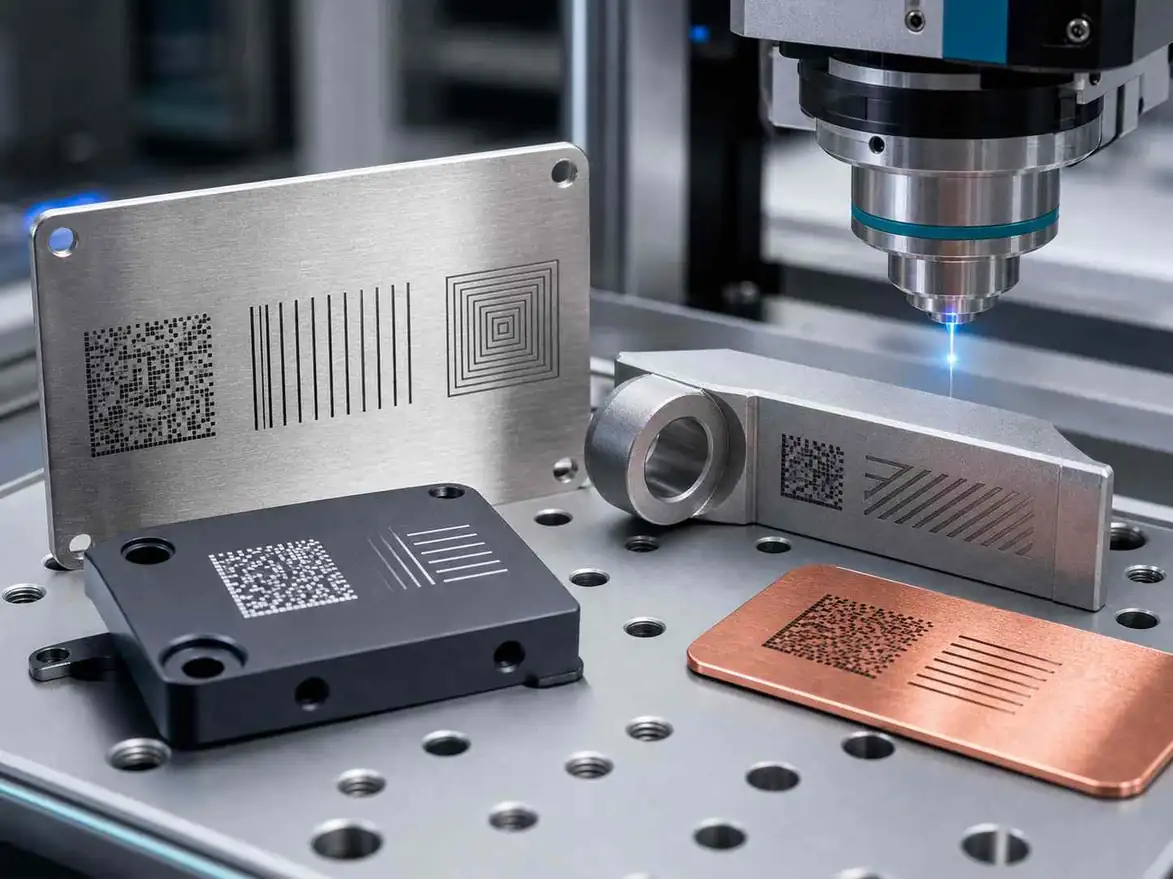
Laser marking creates durable metal surface marks. It is used for part IDs, codes and traceability.

  • Permanent marks
  • High precision
  • Pollution-free
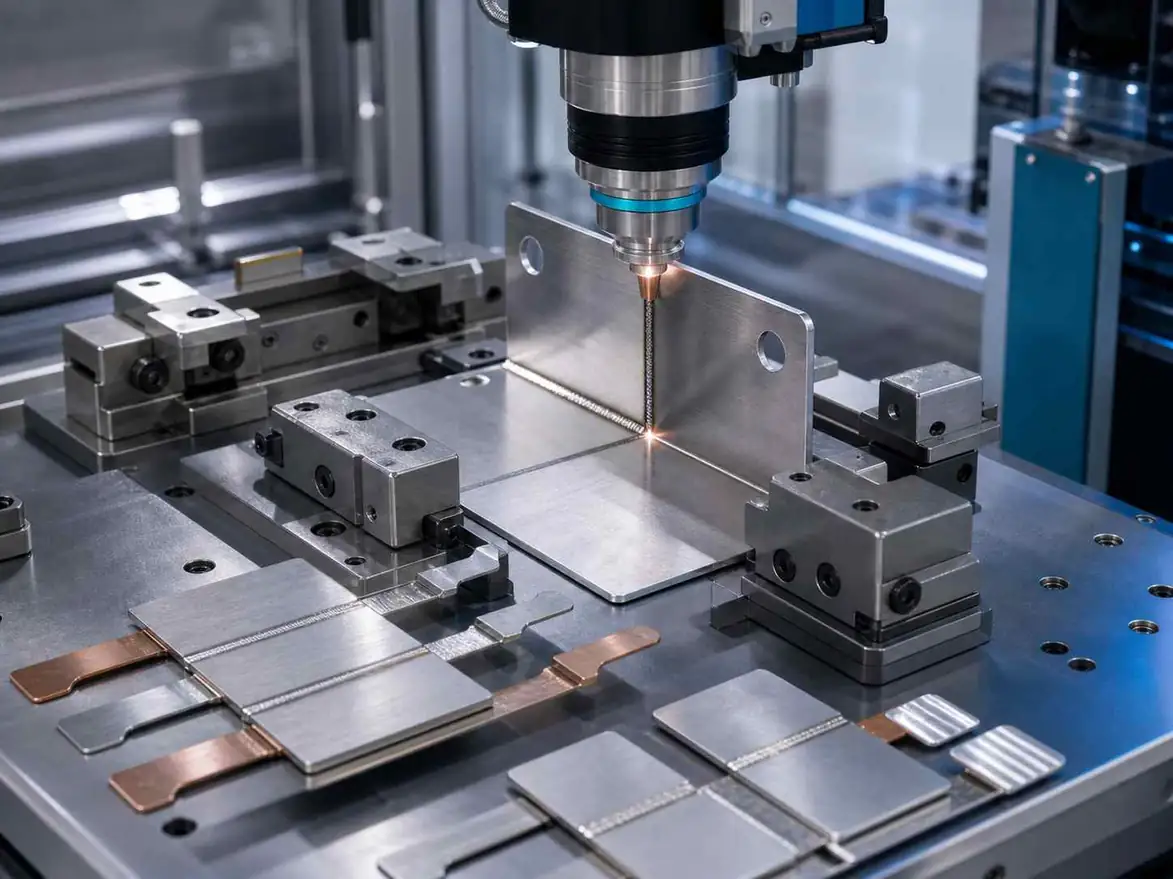
Laser Welding

Laser Welding

Laser welding heats and melts a narrow metal area. It gives high speed, low heat spread and clean seams.

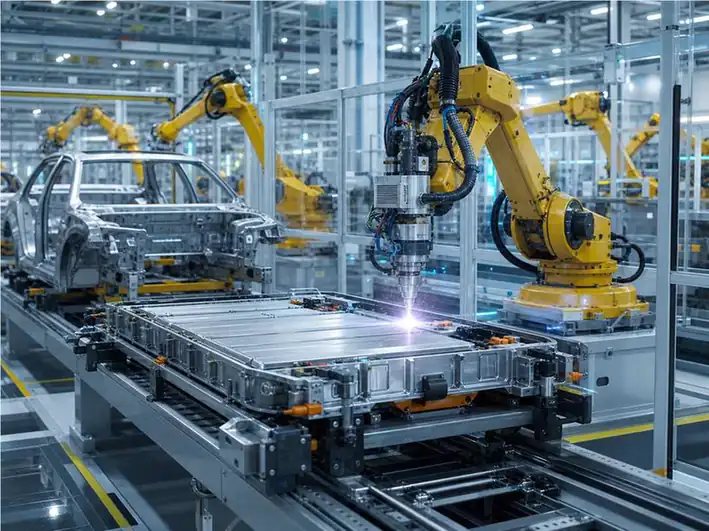
  • Automotive manufacturing: body welding and frame welding.
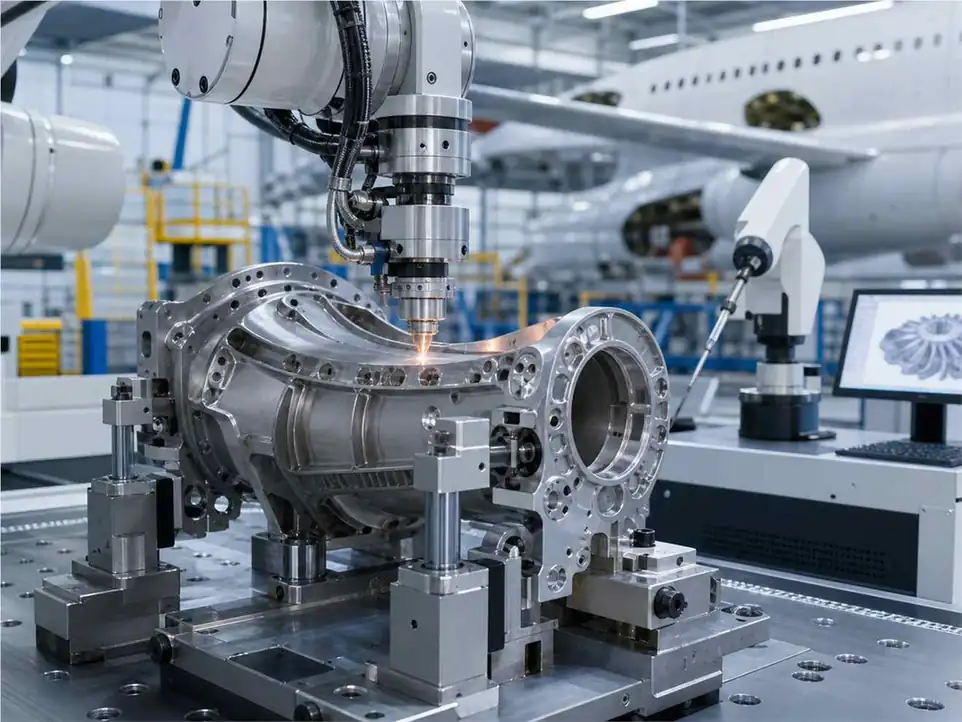
  • Aerospace: welding aircraft metal structures and engine components.
  • Home appliances: welding metal housings and electrical assemblies.
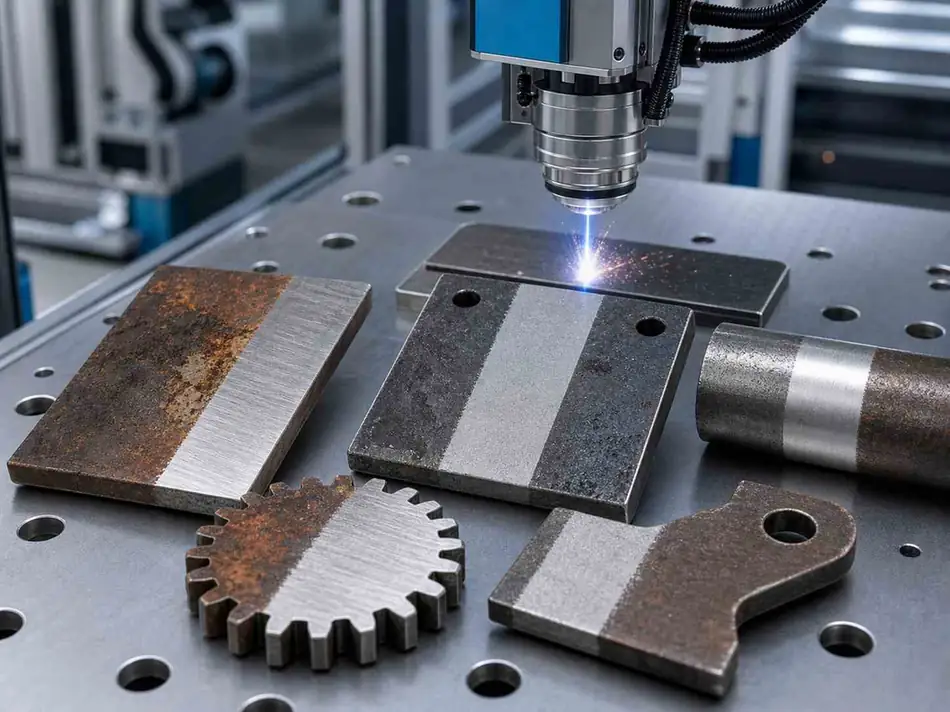
Laser Surface Treatment

Laser Surface Treatment

Laser surface treatment changes the metal surface. It can improve hardness and corrosion resistance.

  • Machinery manufacturing: improving wear resistance of tools, molds, gears and metal components.
  • Aerospace: improving corrosion resistance and fatigue performance of metal parts.
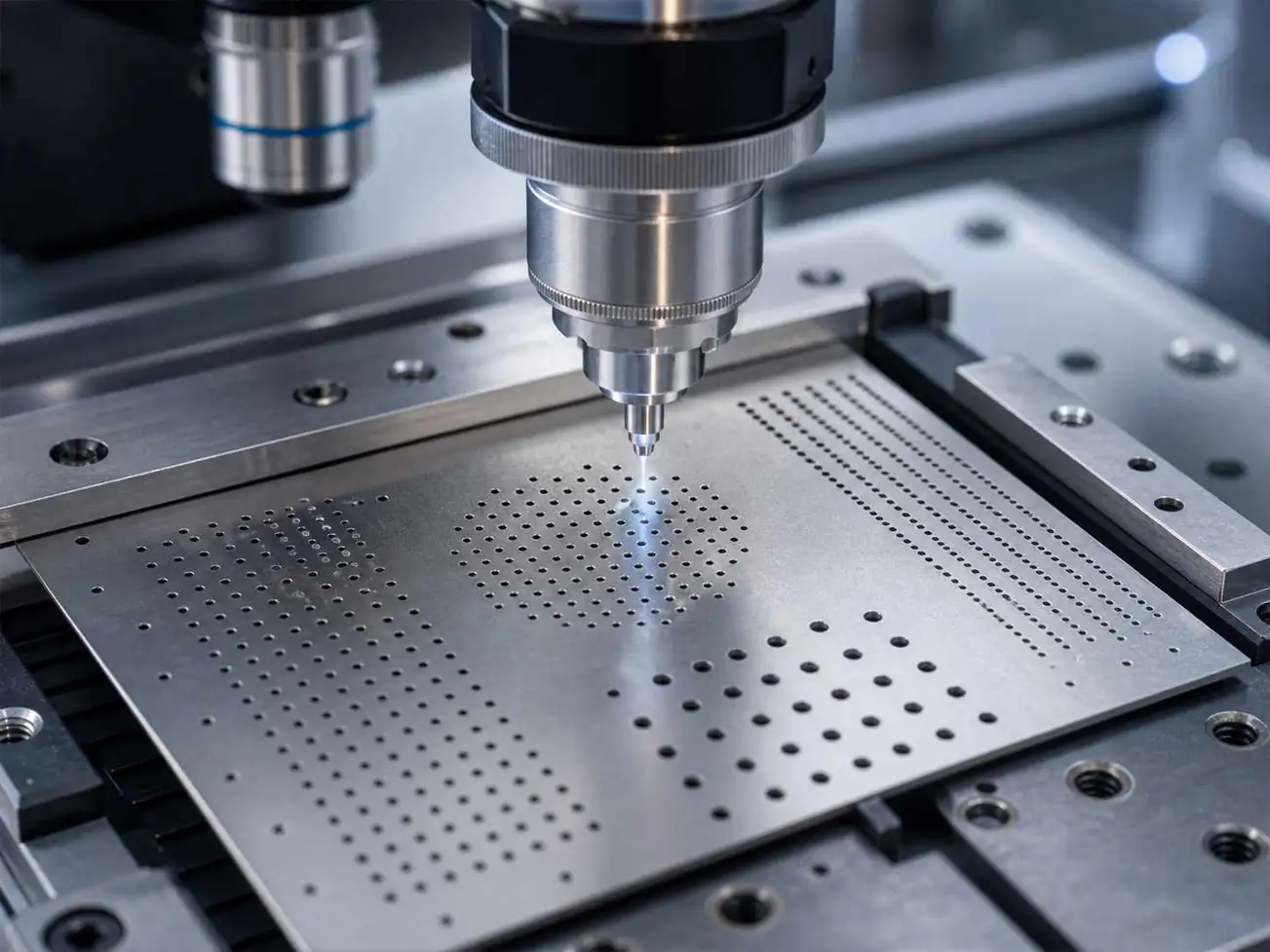
Laser Drilling

Laser Drilling

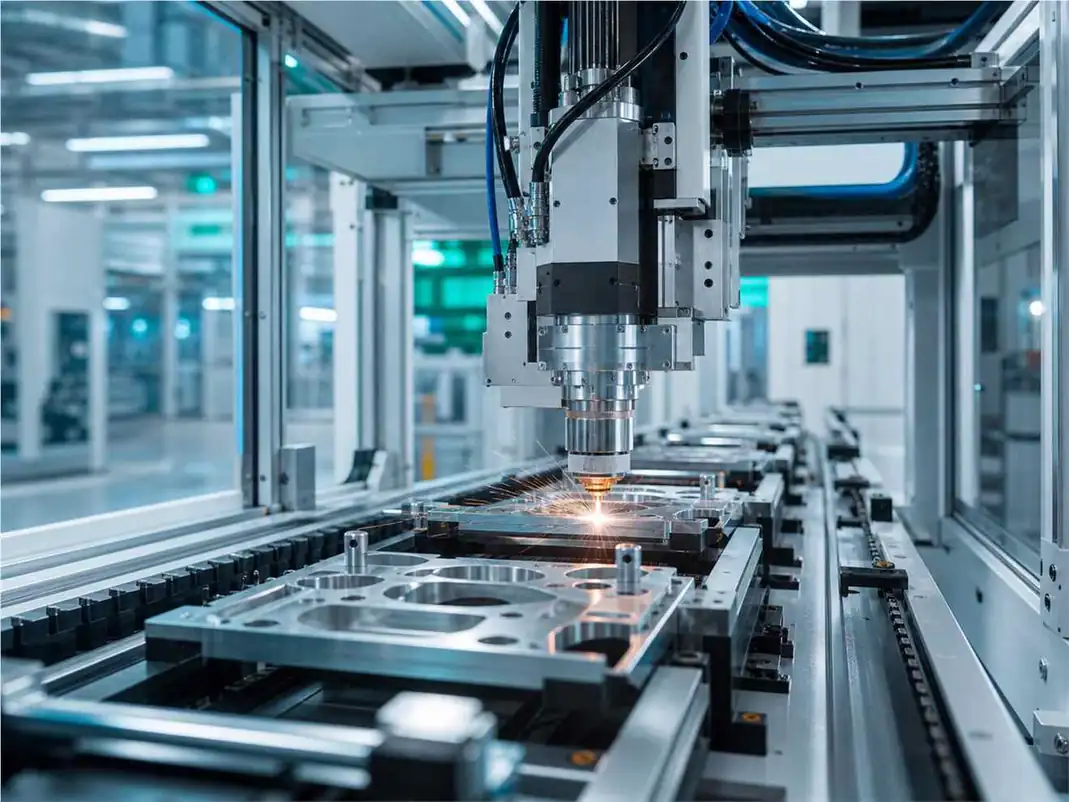
Laser drilling creates precise holes in metal. It fits small diameters and dense hole patterns.

  • Electronic components: micro-hole processing for PCB boards and integrated circuits.
  • Aerospace: micro-hole drilling for engine parts and turbine blades.
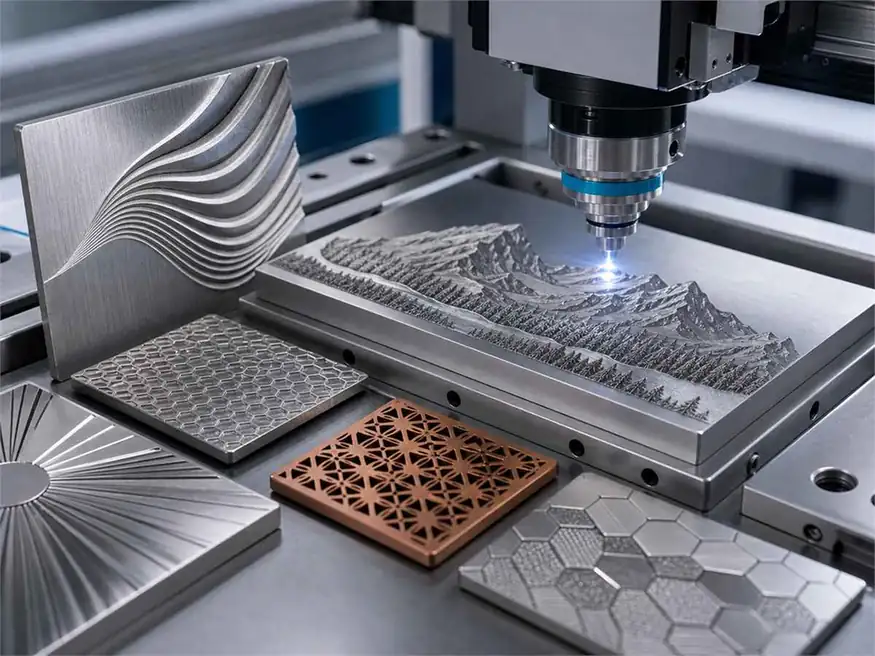
Laser Engraving and Prototyping

Laser Engraving and Prototyping

Laser engraving adds fine patterns or text to metal surfaces. It fits decoration and custom marks.

  • Jewelry manufacturing: engraving fine patterns or text.
  • Home appliance manufacturing: decorative patterns and marks on panels.
Metal processing production line

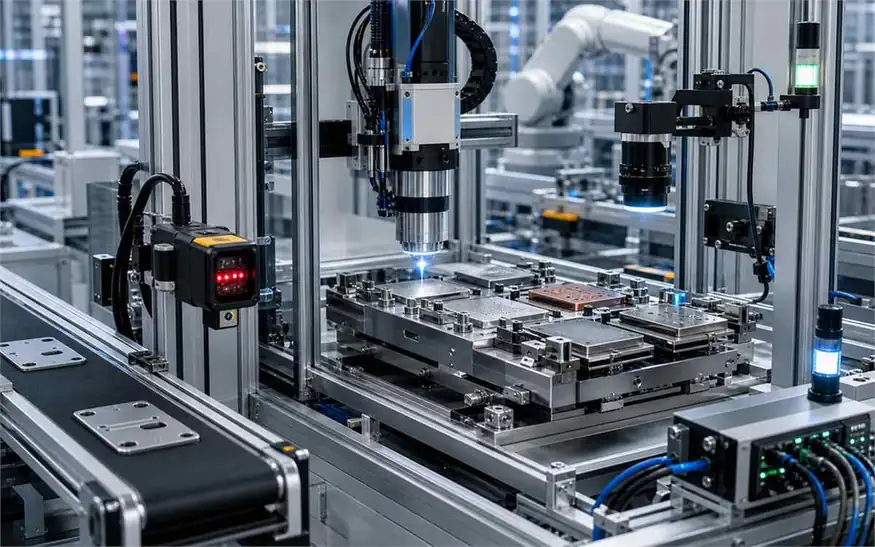
From processing to traceability, laser systems can be integrated into production lines

Metal laser steps often need vision, motion control, inline checks and data upload.

  1. 1 Material and workpiece identification
  2. 2 Vision positioning and compensation
  3. 3 Laser cutting, marking, welding or drilling
  4. 4 Online inspection and OK/NG judgment
  5. 5 Data upload and traceability

Where metal laser processing is used

Metal laser processes are widely used in industries that demand precision, strength and traceability.

Automotive

Body structures, chassis parts, powertrain assemblies and traceable metal components.

Aerospace

Airframe parts, engine components and precision structures requiring high consistency.

Electronics

Enclosures, PCB fixtures, heat sinks and precision metallic parts for electronic equipment.

Machinery

Tools, molds, gears and industrial hardware that benefit from durable, precise laser processing.

Development directions of laser technology in metal processing

Metal factories need cleaner processes, broader material fit and smarter control.

Improved Multi-material Adaptability

Laser processes will be used more for titanium, aluminum, copper and other special metals.

Intelligence and Automation

Laser systems will pair with AI, IoT and automation to reduce manual work.

Green Manufacturing

Laser processing is clean and efficient. It can reduce energy use, waste and pollution.

Need a laser process evaluation for metal parts?

Send material, part size, accuracy target and line speed. We can review marking, cutting, welding, drilling or automation options.

Get Process Advice