Home
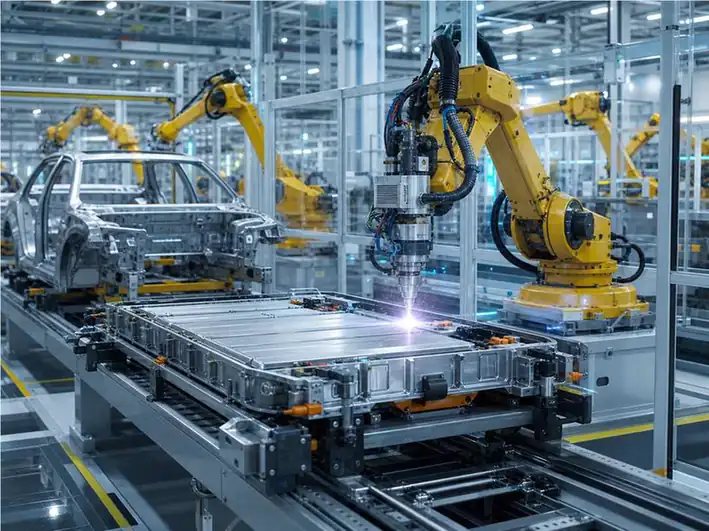
Automotive laser automation line

Industrial Laser Applications for Automotive Manufacturing

Industry Applications / Automotive

Bring welding, traceability, and flexible changeover into automotive lines

Automotive lines handle more platforms and trace needs. Lasers support body, battery, chassis, interior and part work.

Automotive laser automation line
Consistency
Stable welds, marks, and cutting profiles
Flexible changeover
Adapt to multiple vehicle platforms and part variants
Traceability
Link serial numbers, QR codes, and batch data
Automation ready
Connect robots, fixtures, vision, and inspection
Core Processes

Common Laser Applications in Automotive

Start with material, cycle time, appearance and trace needs. Then choose the laser process and inspection steps.

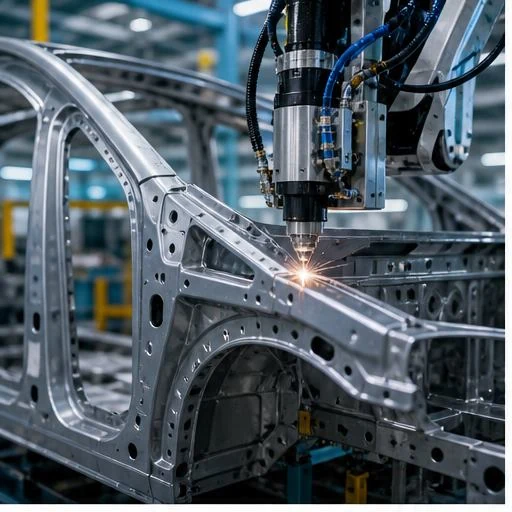
Body and structural welding

Body and structural welding

High-stability welding for body-in-white, seat frames, housings, and reinforced structures.

  • Build stable parameters and reusable recipes for body and structural welding.
  • Combine vision positioning, fixtures, and automated handling for consistency.
  • Scale from sample validation to automated production.
EV battery processing

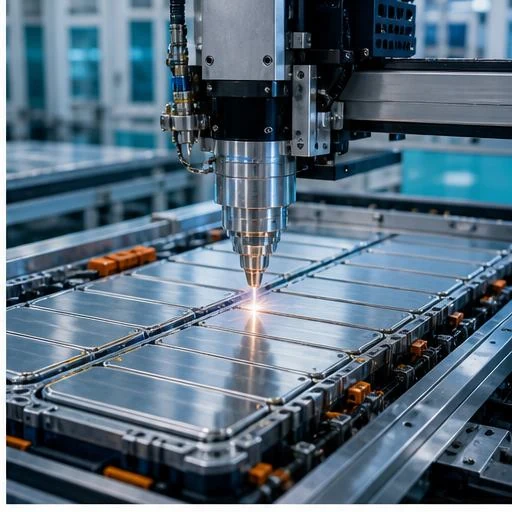
EV battery processing

Welding, cleaning, and marking for tabs, busbars, housings, insulation parts, and battery modules.

  • Build stable parameters and reusable recipes for ev battery processing.
  • Combine vision positioning, fixtures, and automated handling for consistency.
  • Scale from sample validation to automated production.
Part marking and traceability

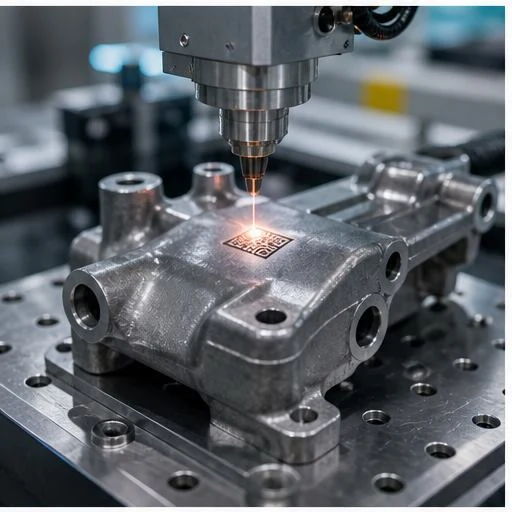
Part marking and traceability

Permanent codes on engines, chassis components, electronic modules, and precision parts.

  • Build stable parameters and reusable recipes for part marking and traceability.
  • Combine vision positioning, fixtures, and automated handling for consistency.
  • Scale from sample validation to automated production.
Interior and soft-material cutting

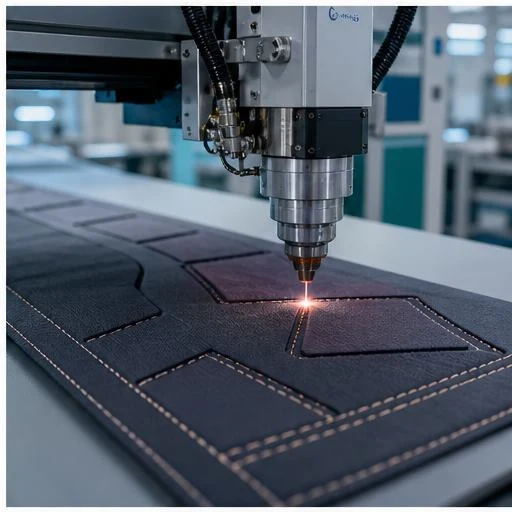
Interior and soft-material cutting

Tool-free cutting for fabrics, leather, films, and composite interior materials.

  • Build stable parameters and reusable recipes for interior and soft-material cutting.
  • Combine vision positioning, fixtures, and automated handling for consistency.
  • Scale from sample validation to automated production.
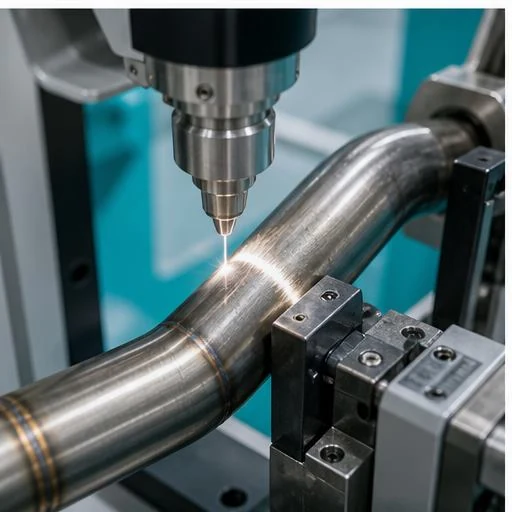
Pre-weld cleaning and surface prep

Pre-weld cleaning and surface prep

Remove oxides, oil, coating, or local contamination to improve welding and bonding stability.

  • Build stable parameters and reusable recipes for pre-weld cleaning and surface prep.
  • Combine vision positioning, fixtures, and automated handling for consistency.
  • Scale from sample validation to automated production.
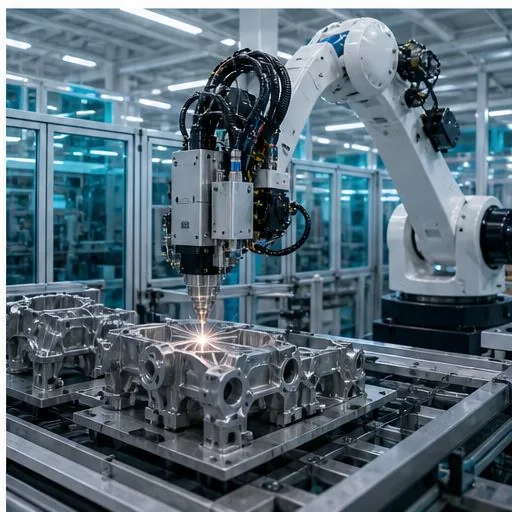
Automated laser cells

Automated laser cells

Integrate vision positioning, fixtures, robotic loading, and code verification into automotive cells.

  • Build stable parameters and reusable recipes for automated laser cells.
  • Combine vision positioning, fixtures, and automated handling for consistency.
  • Scale from sample validation to automated production.
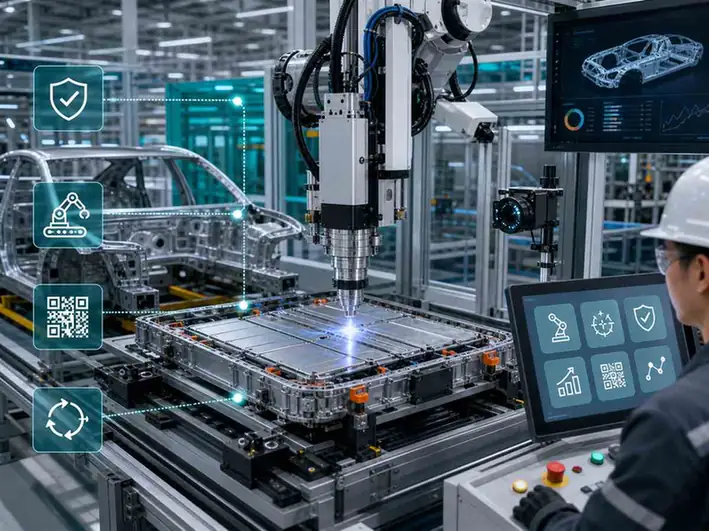
Solution Value

Laser value in Automotive comes from process, automation, and data working together

One laser process solves the operation. Cyanbox links laser, vision, fixtures and software to control output and trace data.

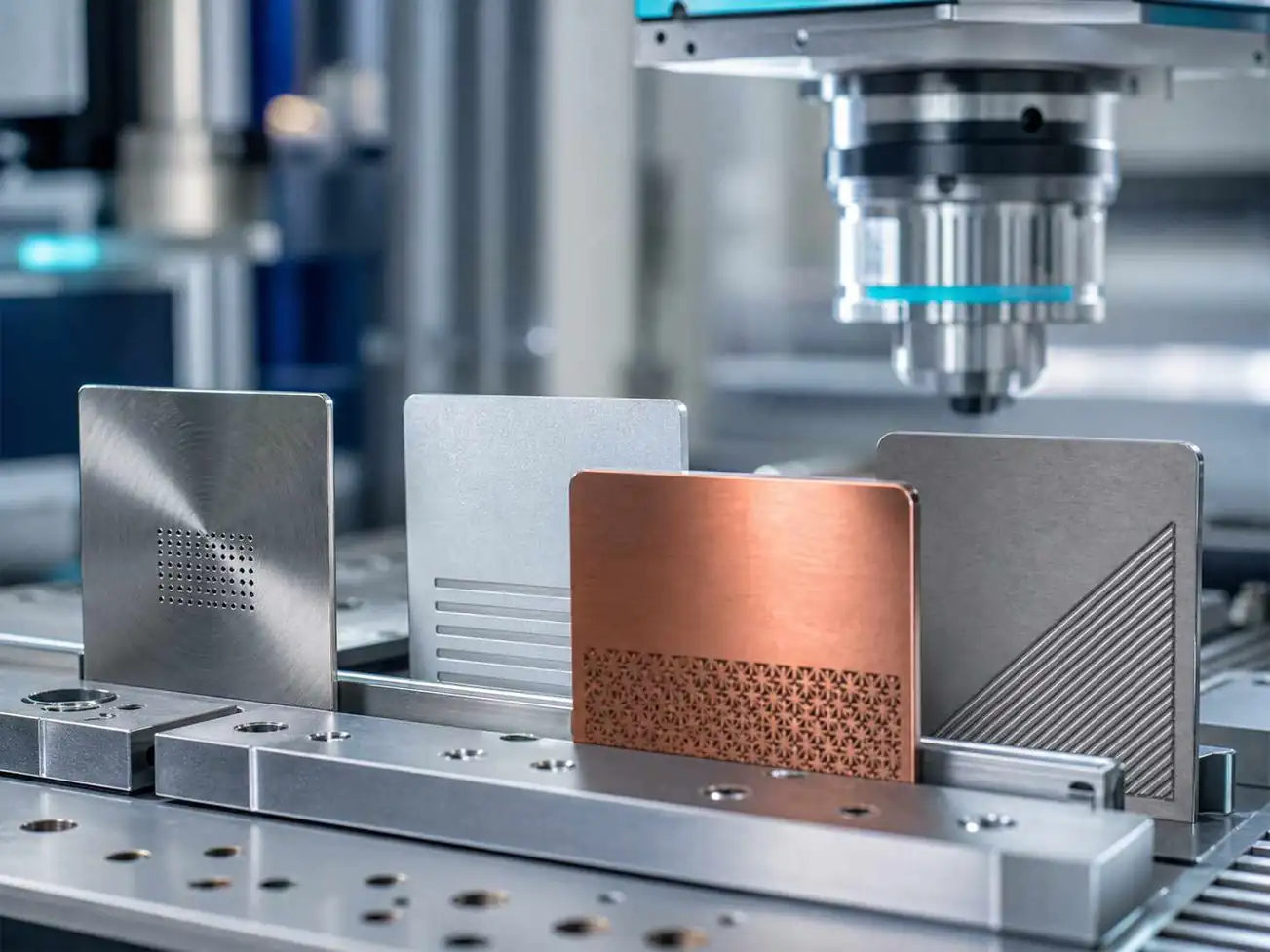
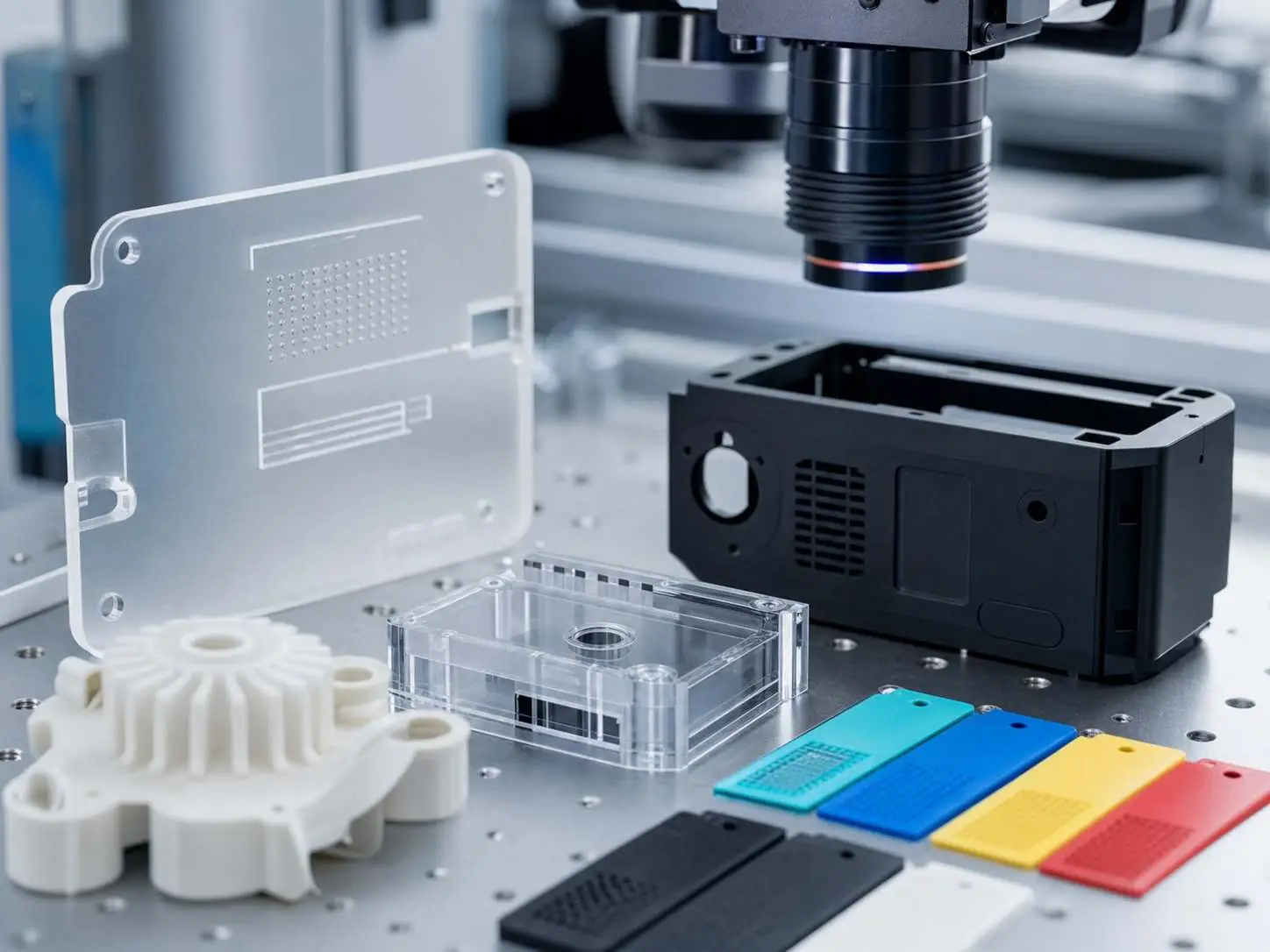
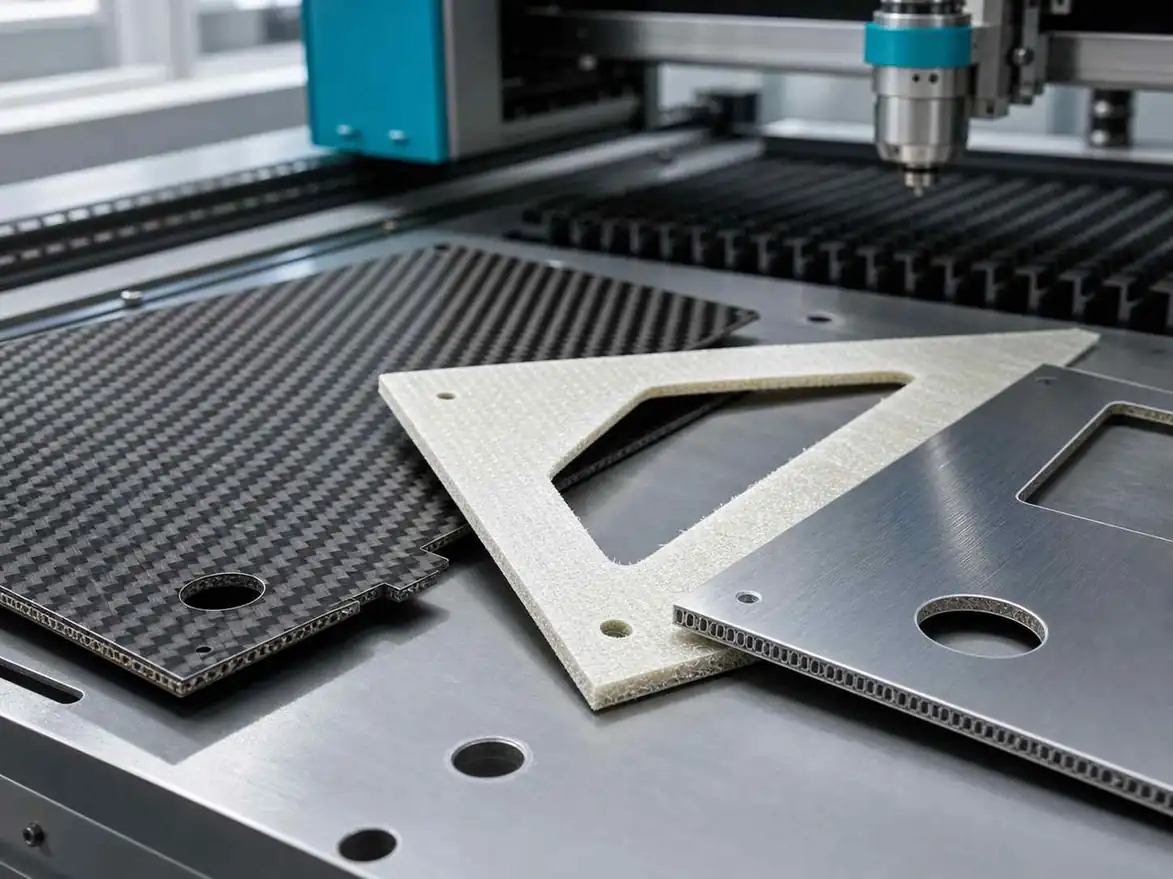
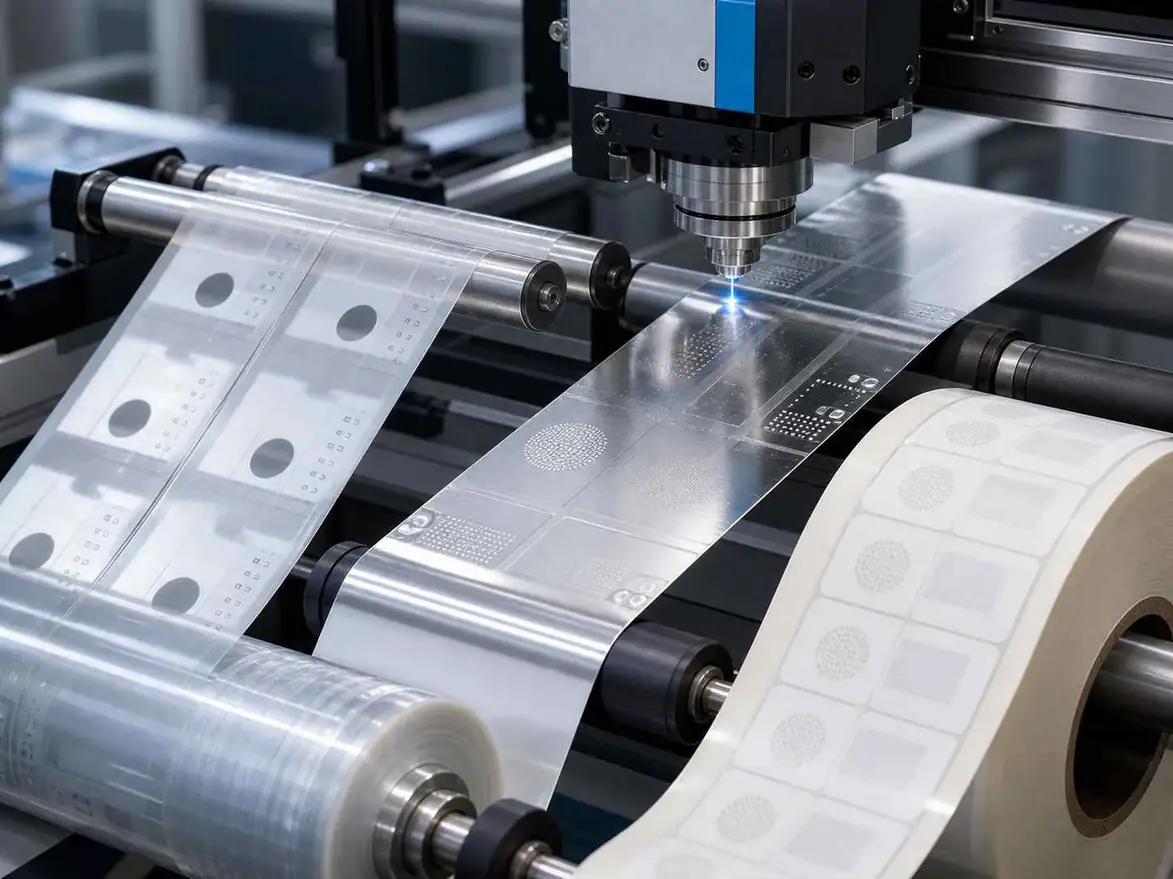
Automotive laser automation line

Contact-free processing

Reduce mechanical stress, tool wear, and secondary damage for high-appearance precision parts.

Traceability loop

Generate marks from orders, batches, or inspection results and write records back to production systems.

Automation integration

Connect robots, conveyors, rotary tables, bowl feeders, and vision positioning for continuous production.

Process quality control

Turn process know-how into repeatable standards through recipes, inline inspection, and data upload.

Implementation Path

From sample validation to Automotive production cells

Validate material response, process window and takt target first. Then define source, fixtures, guarding and data links.

01

Requirement and sample review

Confirm material, dimensions, surface condition, cycle time, marking or processing goals, and site safety boundaries.

02

Sample testing and process window

Validate contrast, kerf, heat impact, cleanliness, code readability, or weld quality through sample trials.

03

Cell and fixture design

Plan optics, guarding, loading, fixtures, fume extraction, and maintenance access for the production cell.

04

Vision and data integration

Connect cameras, code readers, MES / ERP, recipe control, and quality records for traceable production.

05

Ramp-up and optimization

Complete installation, training, cycle-time tuning, process standardization, and ongoing support.

Use Cases

Priority Production Areas for Automotive

Laser systems fit best when parts need permanent marks, precision work, fast changeover or stable appearance.

EV battery

Battery housings, tabs, busbars, module marking, and assembly inspection.

Powertrain

Engines, transmissions, e-drive units, housings, and shaft parts.

Chassis and structures

Brackets, stamped parts, aluminum structures, and welded assemblies.

Interior and personalization

Seats, door panels, trims, nameplates, and custom graphics.

Evaluating laser processing or automation cells for Automotive?

Share material, part size, process goals and target cycle time. We can review the laser, fixture and automation path.