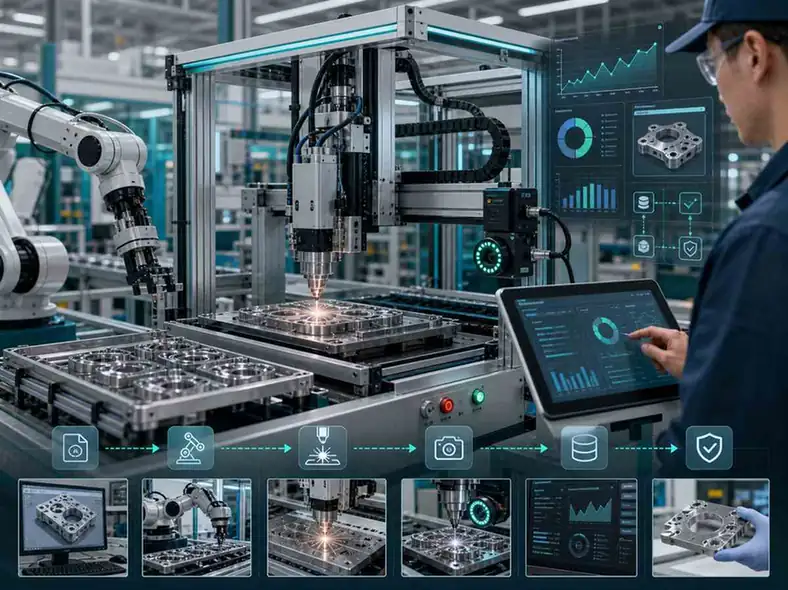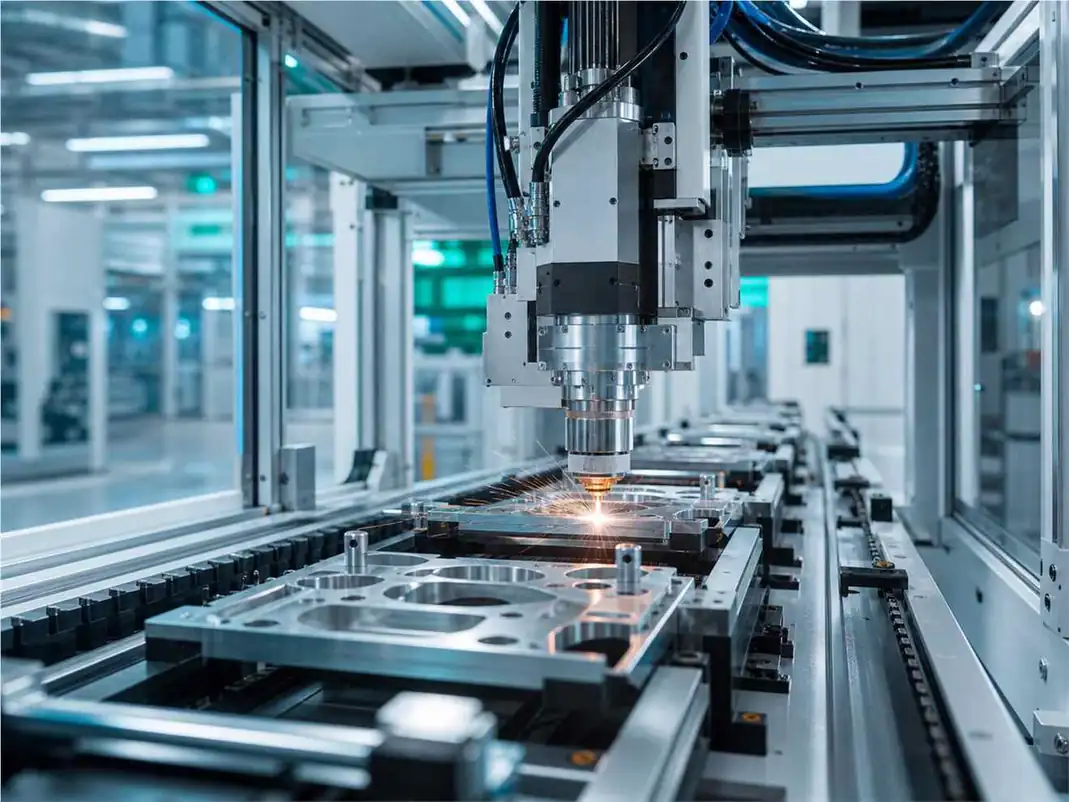
Manufacturing laser processing production floor

Industrial Laser Applications for Manufacturing

Industry Applications / Manufacturing

Turn laser processes into stable production capability on the shop floor

The value of lasers in manufacturing is not only the energy beam. It comes from the combination of non-contact processing, digital paths, vision positioning, inline inspection and production data. Lasers support cutting, welding, marking, cleaning, micro-processing and additive manufacturing for production sites that need flexibility, traceability and repeatable quality.

Laser welding and metal manufacturing scene
Non-contact
Less tool wear and mechanical stress
Digital changeover
Switch products through recipes and paths
Permanent IDs
QR codes, serial numbers and traceability codes
Line-ready
Connect vision, robots, MES and inspection cells
Core Processes

Six common industrial laser applications in manufacturing

Material, thickness, surface condition and cycle-time targets define the laser source, optics, fixture, extraction and inspection strategy. This page synthesizes public supplier and institutional references into practical manufacturing language.

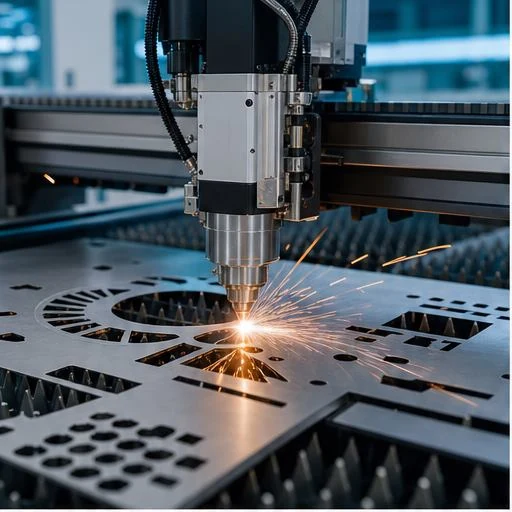
Laser Cutting

Laser Cutting

Used for sheet metal, tubes, structural parts and precision contours with digital, tool-free cutting.

  • Well suited to complex contours, frequent changeovers and short runs.
  • Can combine vision or fixtures to control start points and contour consistency.
  • Heat effects must be managed differently for metals, plastics, films and composites.
Laser Welding

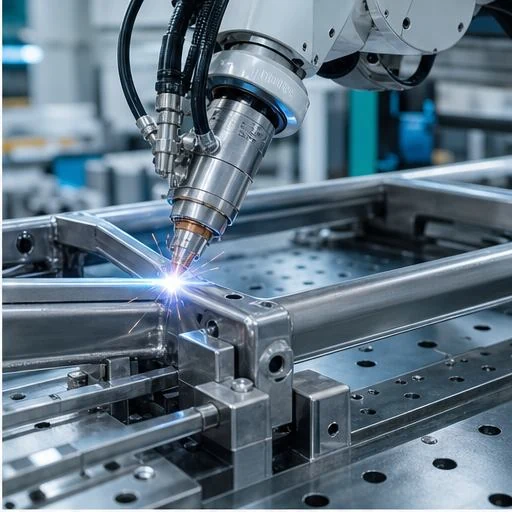
Laser Welding

Delivers spot, seam and deep-penetration welding for structures, housings, batteries and precision assemblies.

  • Concentrated heat input helps control distortion and weld width.
  • Fits robotic cells, rotary stations and dedicated automation systems.
  • Can include coaxial vision, shielding gas and inline seam inspection.
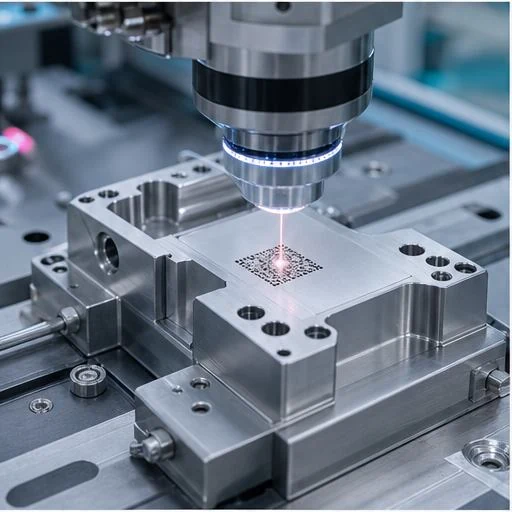
Laser Marking and Traceability

Laser Marking and Traceability

Creates permanent text, logos, serial numbers, QR codes or DataMatrix marks on component surfaces.

  • Suitable for metals, plastics, ceramics, electronic components and packaging materials.
  • Can connect readers, databases and MES / ERP for traceability loops.
  • Ink-free marks resist wear and cleaning while supporting quality audits.
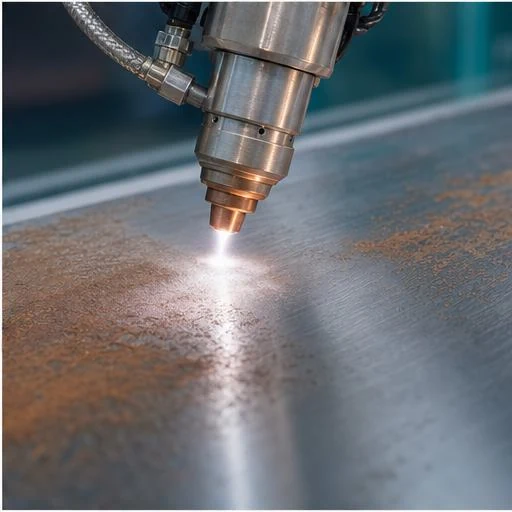
Laser Cleaning and Surface Treatment

Laser Cleaning and Surface Treatment

Uses controlled energy to remove oxides, rust, coatings, oil or residues and to prepare surfaces before welding or bonding.

  • Reduces dependence on chemical cleaning, blasting and abrasive media.
  • Useful for mold maintenance, weld preparation, coating removal and local cleaning.
  • Requires extraction, laser safety and surface quality checks.
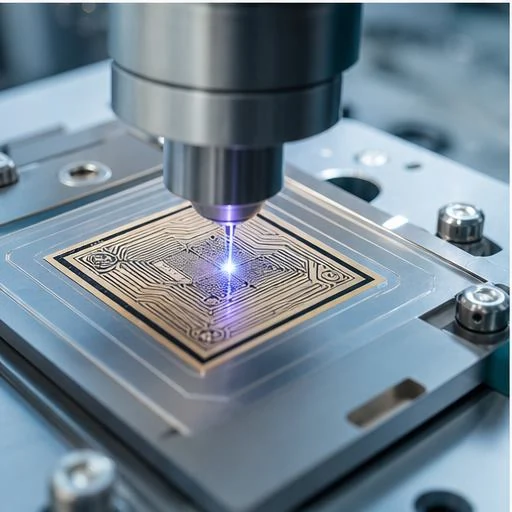
Micro and Precision Processing

Micro and Precision Processing

Supports controlled ablation, drilling and texturing for micro holes, slots, thin-wall parts, electronic assemblies and high-value precision components.

  • UV or ultrashort-pulse options can reduce thermal impact.
  • Useful for small features, thin materials and burr-sensitive parts.
  • Stable production depends on motion control, focus control and vision verification.
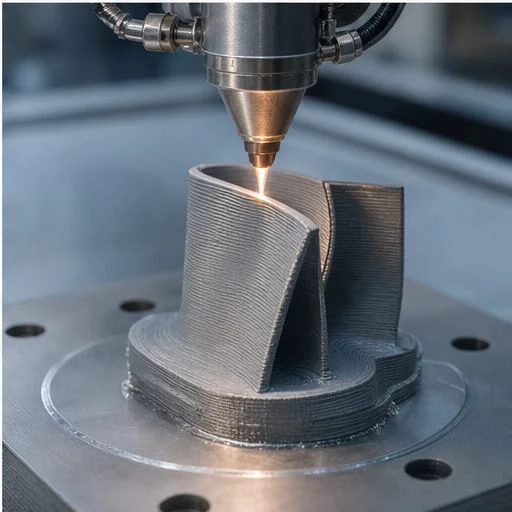
Laser Additive Manufacturing

Laser Additive Manufacturing

In powder bed fusion and directed energy deposition, lasers build parts layer by layer, repair components or create complex structures.

  • Useful for internal channels, lightweight structures and high-value short-run parts.
  • Supports repair, conformal cooling tooling and R&D prototypes.
  • Quality depends on materials, thermal management, process monitoring and post-processing.
Solution Value

Manufacturing laser systems win when process, automation and data work together

A single laser machine completes the processing action. Production teams care about cycle time, yield, changeover, traceability and maintenance. Cyanbox is positioned to combine lasers, vision, motion control, fixtures and data interfaces into complete workstations.

Engineer commissioning an automated laser workstation

Non-contact Processing

Reduces mechanical pressure, tool wear and secondary handling damage for precision parts, thin materials and appearance-critical components.

Traceability Loop

Mark content can be generated from orders, batches or inspection results, then verified by readers and returned to production records.

Automation Integration

Connect robots, conveyors, bowl feeders, rotary tables and vision positioning for continuous production or flexible changeover.

Process Quality Control

Sample validation, parameter recipes, inline inspection and data upload turn expert process knowledge into reusable standards.

Delivery Path

A five-step path from sample validation to production workstation

Manufacturing laser projects should validate material response and cycle-time windows first, then decide whether vision, robots, fixtures, readers, extraction and software interfaces are needed.

01

Requirement and Part Review

Confirm material, thickness, surface, mark content, accuracy, cycle time and safety requirements.

02

Sample Test and Process Window

Validate kerf, weld seam, contrast, cleanliness or micro-processing quality through trials.

03

Cell and Fixture Design

Design enclosure, loading, vision positioning, motion axes, extraction and maintenance space.

04

Data and Inspection Integration

Connect scanners, cameras, MES / ERP, recipe management and quality records.

05

Ramp-up and Optimization

Complete installation, commissioning, operator training, cycle-time tuning and maintenance support.

Manufacturing Scenarios

Best-fit areas for high-value manufacturing workflows

Laser solutions tend to show stronger ROI when products need permanent identification, precision processing, flexible changeover or cleaner surface treatment.

Machinery and Hardware

Cutting, marking and cleaning for tools, bearings, gears, valves, stamped parts, fasteners and structures.

Electronics and Precision Components

Precision marking and micro-processing for PCB, connectors, housings, sensors, ceramic parts and small components.

New Energy and Batteries

Welding, cleaning, marking and inspection for housings, tabs, busbars, insulation parts and traceability codes.

Molds and Tooling

Mold cleaning, texturing, repair, ID marking and manufacturing of complex cooling structures.

Evaluating a manufacturing laser process or automated workstation?

Share the material, part size, process target, cycle-time requirement and current pain point. We can help assess the laser source, vision, fixture and automation approach.