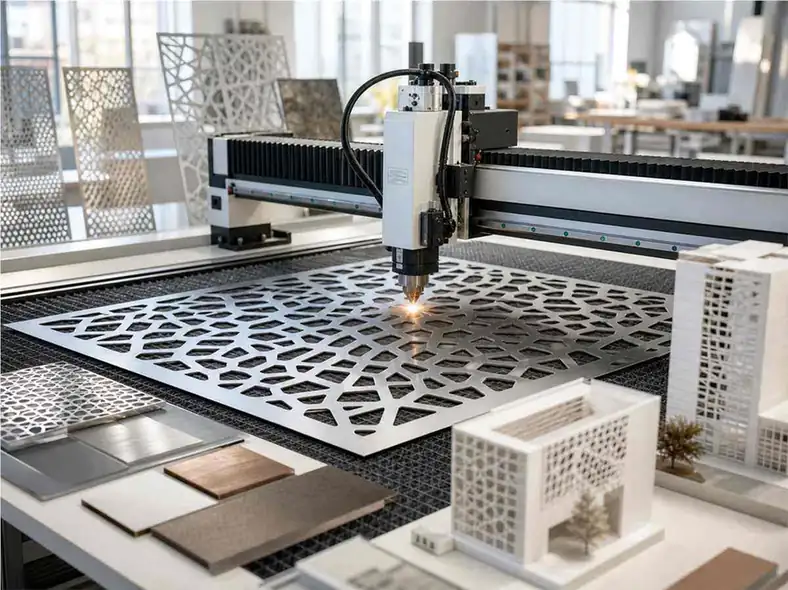
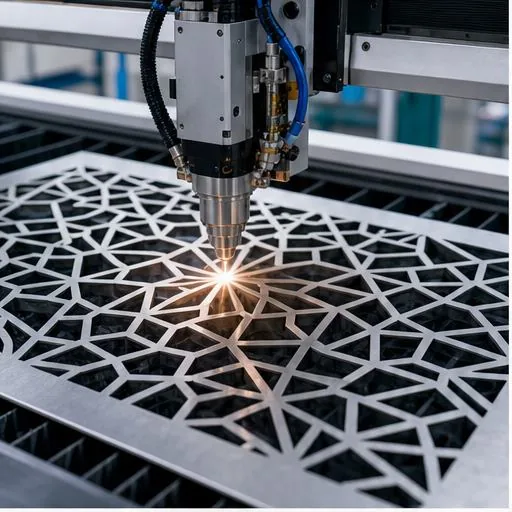
Architectural decoration laser processing

Industrial Laser Applications for Architecture and Decoration

Industry Applications / Architecture and Decoration

Make complex forms, textures, and custom components easier to produce

Architecture and decoration projects often involve low-volume variants, complex forms, and high visual requirements. Lasers support cutting, engraving, marking, and surface treatment on metal panels, acrylic, wood, glass, ceramics, and composites.

Architectural decoration laser processing
Complex profiles
Fit for shaped panels, models, and patterns
Digital customization
Convert drawings to toolpaths quickly
Edge quality
Reduce molds and secondary trimming
Project traceability
Mark component IDs and batch data
Core Processes

Common Laser Applications in Architecture and Decoration

Based on material, cycle time, appearance, and traceability requirements in architectural decoration production, laser systems combine cutting, welding, marking, cleaning, micromachining, and automated inspection.

Metal panel processing

Metal panel processing

Cutting and marking for facade panels, decorative panels, screens, and structural decor.

  • Build stable parameters and reusable recipes for metal panel processing.
  • Combine vision positioning, fixtures, and automated handling for consistency.
  • Scale from sample validation to automated production.
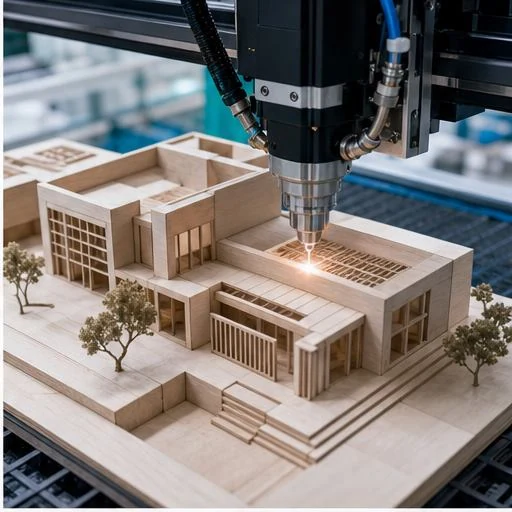
Architectural model cutting

Architectural model cutting

Process acrylic, wood, paperboard, and composite boards for precise model components.

  • Build stable parameters and reusable recipes for architectural model cutting.
  • Combine vision positioning, fixtures, and automated handling for consistency.
  • Scale from sample validation to automated production.
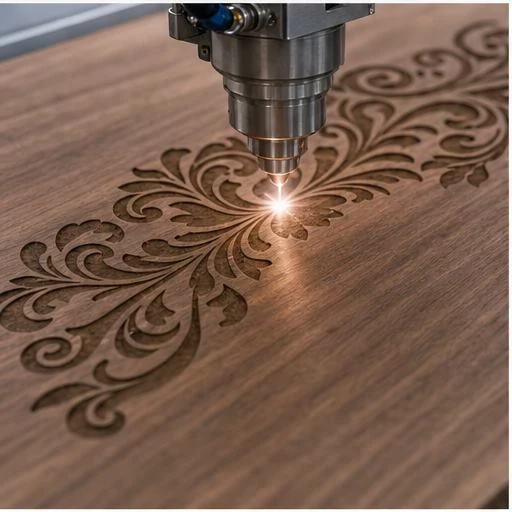
Decorative texture engraving

Decorative texture engraving

Create patterns, textures, and brand elements on wood, leather, metal, and composites.

  • Build stable parameters and reusable recipes for decorative texture engraving.
  • Combine vision positioning, fixtures, and automated handling for consistency.
  • Scale from sample validation to automated production.
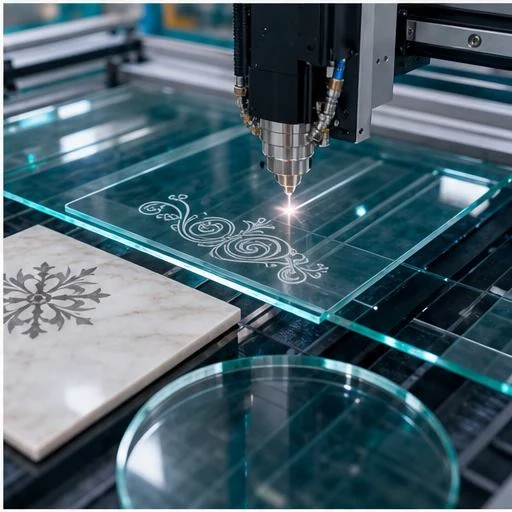
Glass and ceramic treatment

Glass and ceramic treatment

Local marking, micro textures, or patterns for high-appearance decorative parts.

  • Build stable parameters and reusable recipes for glass and ceramic treatment.
  • Combine vision positioning, fixtures, and automated handling for consistency.
  • Scale from sample validation to automated production.
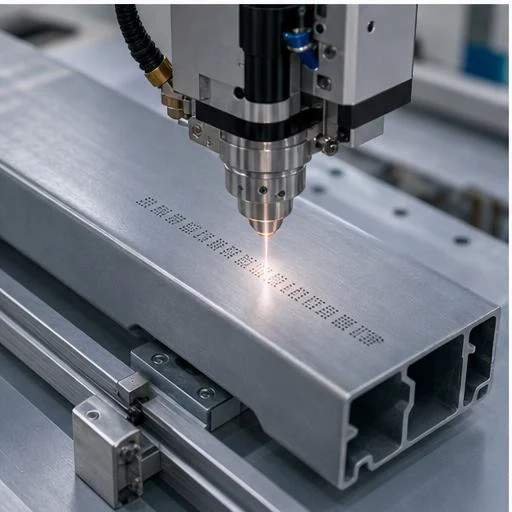
Component identification

Component identification

Generate QR codes, IDs, or positioning information for panels, hardware, and installation parts.

  • Build stable parameters and reusable recipes for component identification.
  • Combine vision positioning, fixtures, and automated handling for consistency.
  • Scale from sample validation to automated production.
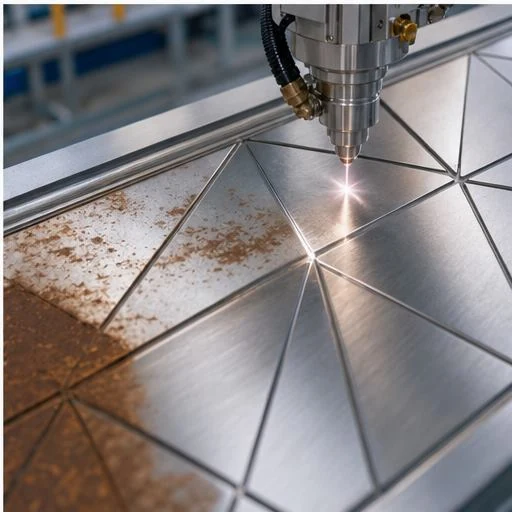
Surface cleaning and renovation

Surface cleaning and renovation

Remove rust, coating, contamination, or oxides for repair and rework.

  • Build stable parameters and reusable recipes for surface cleaning and renovation.
  • Combine vision positioning, fixtures, and automated handling for consistency.
  • Scale from sample validation to automated production.
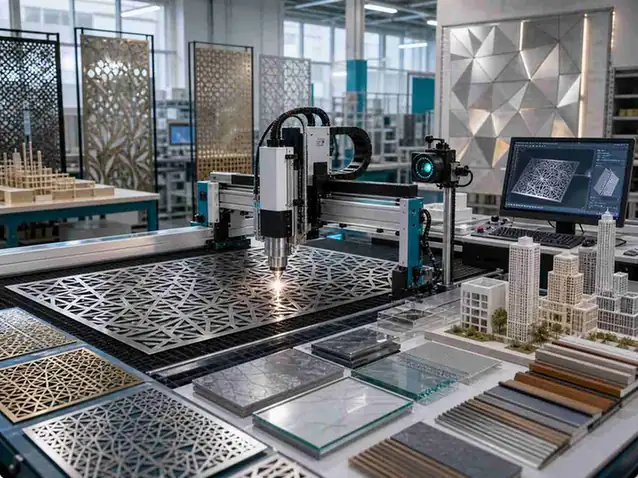
Solution Value

Laser value in Architecture and Decoration comes from process, automation, and data working together

A single laser process solves the operation, while production teams care about takt time, yield, changeover, and traceability. Cyanbox combines laser, vision, motion, fixtures, and software interfaces into practical cells.

Architectural decoration laser processing

Contact-free processing

Reduce mechanical stress, tool wear, and secondary damage for high-appearance precision parts.

Traceability loop

Generate marks from orders, batches, or inspection results and write records back to production systems.

Automation integration

Connect robots, conveyors, rotary tables, bowl feeders, and vision positioning for continuous production.

Process quality control

Turn process know-how into repeatable standards through recipes, inline inspection, and data upload.

Implementation Path

From sample validation to Architecture and Decoration production cells

Validate material response, process window, and takt target first, then define laser source, vision, fixtures, extraction, safety guarding, and data interfaces.

01

Requirement and sample review

Confirm material, dimensions, surface condition, cycle time, marking or processing goals, and site safety boundaries.

02

Sample testing and process window

Validate contrast, kerf, heat impact, cleanliness, code readability, or weld quality through sample trials.

03

Cell and fixture design

Plan optics, guarding, loading, fixtures, fume extraction, and maintenance access for the production cell.

04

Vision and data integration

Connect cameras, code readers, MES / ERP, recipe control, and quality records for traceable production.

05

Ramp-up and optimization

Complete installation, training, cycle-time tuning, process standardization, and ongoing support.

Use Cases

Priority Production Areas for Architecture and Decoration

When products need permanent marks, precision processing, flexible changeover, or more stable appearance quality, laser solutions usually show clearer return.

Metal facades

Aluminum panels, stainless panels, screens, and facade components.

Interior decoration

Door plates, finishes, lighting parts, partitions, and decorative hangings.

Architectural models

Site models, display models, shaped parts, and rapid prototypes.

Custom decoration

Premium gifts, art components, branded spaces, and custom patterns.

Evaluating laser processing or automation cells for Architecture and Decoration?

Share material, part size, process goals, target cycle time, and current pain points. We can help evaluate laser source, vision, fixtures, and automation integration.